
 0
0
 0
0
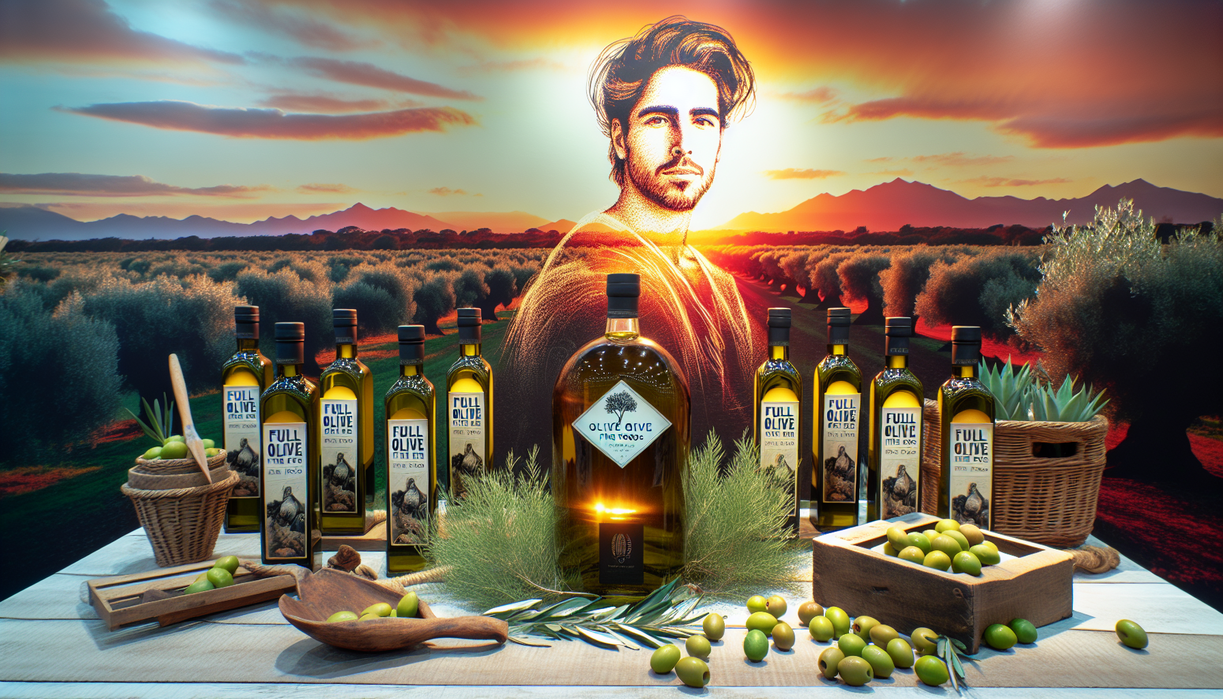
www.shackvideo.com – Context can turn a simple bite into a story. At the Northwest Flower & Garden Show, surrounded by petals and potting soil, I discovered how culinary context transforms ingredients into experiences. Near a display of herbs and citrus trees, I met Adam Stern of Full Olive Fine Foods, whose Argentine products revealed how bold flavor gains depth when placed in the right setting. That chance encounter showed me that context does not only live in cookbooks or restaurant menus; it lives in the markets, festivals, and conversations that shape what we choose to eat.
Food headlines lately have buzzed about oyster festivals, Snoqualmie Ice Cream scoops, and clever Pi Day pizza deals. Yet beneath the promotions lies a richer context: how we connect place, memory, and meaning to every dish we enjoy. From Argentine chimichurri to Northwest bivalves, flavor develops nuance when we understand where it comes from and how it fits into our lives. Exploring that context reveals why a jar of olives at a garden show, or a slice of pie on March 14, can feel far more special than the ingredient list suggests.
From Garden Aisles to Argentine Context
The Northwest Flower & Garden Show might seem like an unlikely venue for discovering South American fine food, yet the context made perfect sense. Herbs, soil, and seedlings set the stage for conversations about freshness and provenance. At a small booth tucked between floral arches, Full Olive Fine Foods offered a taste of Argentina anchored in that same ethos. Their extra virgin olive oil, briny olives, and vibrant condiments linked Mediterranean-style agriculture to South American terroir, turning a garden expo into an impromptu geography lesson for the palate.
Speaking with Adam Stern clarified how context shapes perception. Many visitors recognized olives as a routine pantry item, but few connected them to Argentine groves influenced by Andean winds and specific microclimates. Stern explained how small producers harvest at optimal ripeness, then process quickly to safeguard flavor. Placing these details in context changed how I interpreted each sample. The oil’s peppery finish, the olives’ firm texture, even the color of the brine began to tell a story about land, labor, and tradition rather than just taste.
That encounter highlighted a broader point: we often focus on what is on the plate, yet overlook the context that gives it emotional and cultural resonance. Knowing that an olive farm supports rural communities or preserves heirloom varieties can influence how we drizzle oil onto bread or toss it with roasted vegetables. Context does not merely inform; it reshapes enjoyment, turning casual snacking into an act of appreciation. In a world crowded with food options, context might be the ingredient that helps us choose more thoughtfully.
Oyster Fest, Ice Cream Scoops, and Pi Day in Context
Beyond the garden show, the recent flurry of restaurant news offers a masterclass in context. Take an oyster festival along the Pacific Northwest coast. On one level, it is a gathering where people slurp briny bivalves beside cold beer. Yet when we add context, the experience deepens. Those oysters help filter local waters, support shellfish farmers, and reflect the flavor of specific bays. Understanding that connection can turn a plate of half-shells into an exploration of marine ecosystems and regional history.
Consider Snoqualmie Ice Cream, a regional favorite known for lush texture and inventive flavors. A scoop of seasonal ice cream in a waffle cone seems simple, but context reveals layers. The dairy story, sourcing practices, and local partnerships contribute to the final product. Are the berries grown nearby? Does the company support sustainable methods? Context shapes whether that indulgence feels like a guilty pleasure or a way to invest in local agriculture. With context, dessert shifts from anonymous sweetness to a meaningful treat tied to community.
Even Pi Day pizza deals gain richness through context. March 14 might look like just another promotion, yet the date nods to the mathematical constant π. Some pizzerias lean into the joke, others use the occasion to highlight artisan techniques, unusual toppings, or charitable donations pegged to each discounted pie. Choosing where to order becomes more than hunting for the lowest price. Context helps us decide whether we want to back a neighborhood shop built over decades, a newcomer experimenting with sourdough crust, or a big chain optimized for speed. The same circle of dough carries very different stories.
Personal Perspective: Choosing Flavor with Context in Mind
My own eating habits shifted once I began to prioritize context alongside taste. I still enjoy a quick slice or impulsive ice cream run, but I now ask: Who made this, and why does it taste this way here? That mindset steers me toward producers like Full Olive Fine Foods, oyster events that celebrate sustainable harvesting, and local ice cream makers invested in nearby farms. Context does not demand perfection or rigid rules; it invites curiosity. By seeking context, we build a deeper relationship with food, one that honors origin, craftsmanship, and place as much as flavor. In that reflection lies a quiet kind of gratitude, a recognition that every memorable meal carries more than ingredients—it carries a story worth savoring.


Related Posts