
 0
0
 0
0
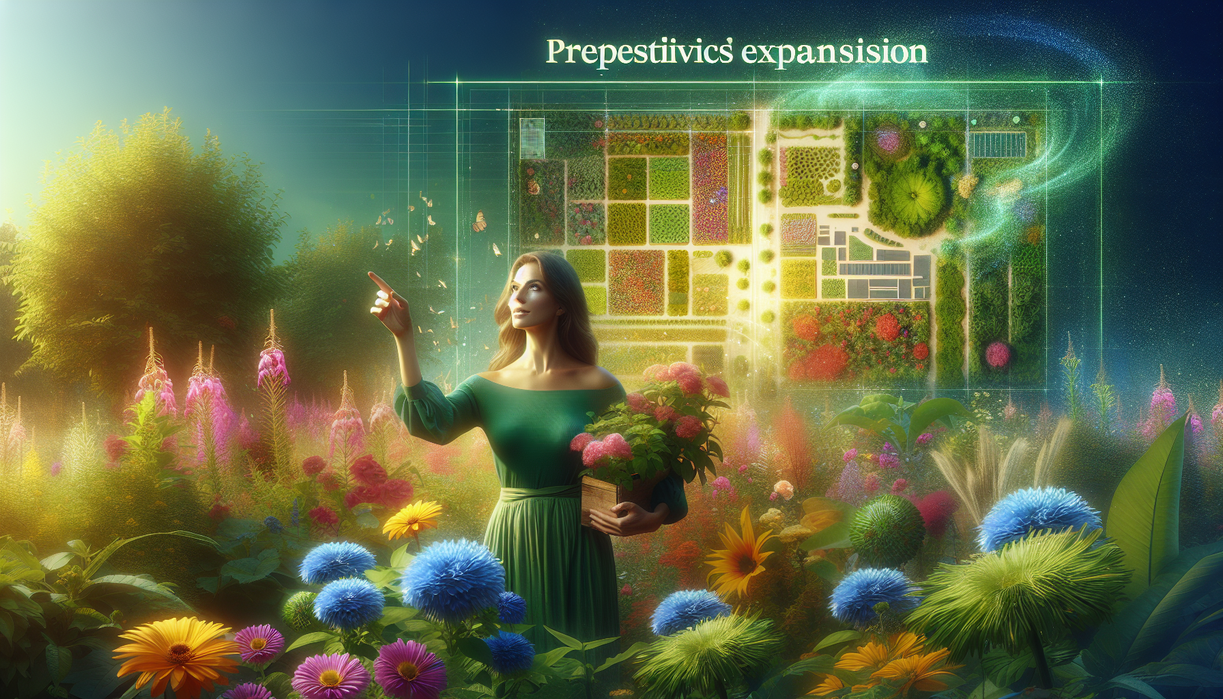
www.shackvideo.com – When Warmke opens the gate to her forest garden, visitors step into a living story instead of a typical backyard. Every leaf, path, and fruit tree contributes to a rich content context where ecology, community, and daily life intersect. This layered perspective transforms her small plot into a teaching tool, a pantry, and a neighborhood gathering spot all at once.
Her dream stretches beyond her own fence. Warmke wants this content context to ripple across nearby yards, balconies, and shared spaces. By expanding forest garden principles throughout the neighborhood, she believes urban life can feel wilder, kinder, and more resilient. In her view, the future of local green areas rests on how skillfully we design the stories they tell through soil, shade, and shared harvests.
Forest gardens as living content context
A forest garden looks like a tiny woodland, yet it is carefully shaped to nourish people and wildlife. Warmke’s plot shows how content context matters more than size. She layers tall fruit trees, shrubs, herbs, groundcovers, and roots, so every level carries purpose. This vertical diversity turns one small site into several landscapes stacked together, each with its own role in the larger ecological narrative.
In this setting, content context means understanding why each plant is there, not just what species it is. A nitrogen-fixing shrub enriches soil for nearby trees. A flowering herb supports pollinators before fruit trees bloom. Groundcovers hold moisture, shield earth from heat, and discourage erosion. Each piece gains extra meaning from its relationships, rather than from isolated features alone.
Warmke explains her garden as if it were a well-edited article. Too many disconnected elements would feel chaotic. Too few relationships would feel flat. By curating every layer, she turns raw nature into a coherent story. Visitors see how shade, fragrance, yield, and habitat fit together. This clear content context makes complex ecology easier to grasp, even for neighbors who have never heard of agroforestry.
Extending the garden across the neighborhood
Warmke’s vision stretches past her property line. She imagines a loose network of forest garden pockets linked by shared values and similar content context. One neighbor hosts berry shrubs, another focuses on herbs, a third tends nut trees in a sunny corner. While each plot remains unique, they complement one another like chapters in a joint neighborhood book.
This approach reframes local green areas from scattered lawns into a collaborative ecosystem. When residents map who grows what, content context emerges on a street-wide scale. Paths between homes become wildlife corridors. Community events become harvest exchanges. Knowledge travels with seeds and cuttings, deepening social ties along with topsoil.
Warmke understands that not everyone craves a fully wild-looking yard. So she offers gentle adaptations that still enhance content context. A tidy hedge with fruiting species. An ornamental border upgraded with edible perennials. A small shade tree replaced with a food-bearing variety. Each small choice nudges the neighborhood closer to a living, shared forest garden without demanding a complete lifestyle overhaul.
Why content context transforms green space
The phrase content context usually appears in digital strategy, yet it fits Warmke’s forest garden perfectly. A lawn shows low context: mostly grass, little story. Her space shows high context: layered functions, history, and community significance. As more residents adopt this lens, local green areas evolve from passive scenery into active partners in daily life. My own view aligns with hers. When we treat every patch of soil as a narrative canvas, we begin to plant with intention instead of habit. Cities gain shade, food, and conversation; children gain places to learn from insects and seasons rather than screens alone. In the end, Warmke’s forest garden reminds us that the healthiest landscapes tell stories we are proud to continue.


Related Posts