
 0
0
 0
0
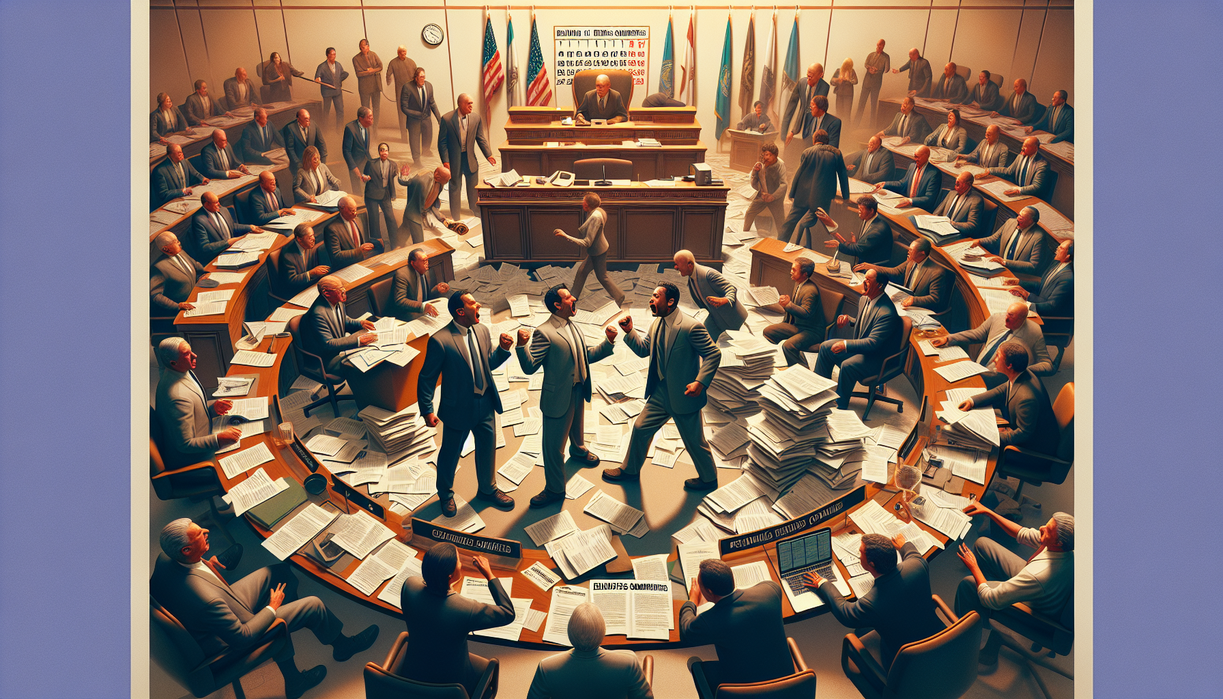
www.shackvideo.com – The Minnesota Legislature is back from spring break, but the mood at the Capitol feels anything but refreshed. Instead of a reset, lawmakers have returned to unfinished arguments, dueling ethics complaints, and floor drama that keeps overshadowing policy debates. For Minnesotans expecting a calm, productive sprint to the end of the session, the early signs suggest turbulence instead of tranquility.
This tension inside the Minnesota Legislature is not just a personality clash; it reflects deeper political stakes in a closely divided state. With narrow majorities, every vote carries weight, every procedural move matters, and every public misstep can become a campaign ad. As legislators resume work, the question is whether they can look past personal battles long enough to deliver on issues voters actually care about.
Inside the Capitol: Break Over, Friction Remains
Returning from any legislative break usually offers a window for cooler heads to prevail. In the Minnesota Legislature, that window appears to have slammed shut almost immediately. Instead of a fresh start, lawmakers walked into a session colored by grudges, unresolved complaints, and the memory of late-night arguments from before the recess. The result is a tense environment where even routine motions can turn into symbolic fights.
At the center of this atmosphere are competing ethics complaints, each side accusing the other of crossing ethical or professional lines. Ethics committees are often slow, methodical bodies, but when they become the focal point of partisan conflict, every hearing feels like a proxy war. This dynamic risks turning serious oversight mechanisms into political weapons, eroding trust not only between parties but also between the public and the Minnesota Legislature itself.
The floor of the House has reflected that strain, with what some observers describe as coordinated stalling tactics, sarcastic commentary, and theatrical objections. These maneuvers, often called shenanigans by frustrated participants, may seem amusing at first glance. Over time, however, they chew up valuable hours that could go toward negotiating bills on education, housing, taxes, and infrastructure. The show may be entertaining for insiders, but the cost is real policy delay.
Ethics Complaints as Political Weaponry
Ethics complaints are supposed to serve as a safeguard, ensuring that members of the Minnesota Legislature respect clear standards of conduct. When used responsibly, they can hold powerful people accountable and reinforce norms of integrity. In a polarized climate, however, they easily become tools for public shaming and partisan messaging. Each party frames its complaint as a righteous stand, while dismissing the other as a stunt.
From my perspective, this tit-for-tat approach is unsustainable. It sends a message that the ethics process is less about fairness and more about retaliation. Once that perception cements, future legitimate complaints will face skepticism, because voters may assume every case is politically motivated. That erosion of credibility weakens institutional guardrails precisely when the Minnesota Legislature needs them most.
There is a deeper cost too: time and attention. Every ethics skirmish diverts lawmakers, staff, and media coverage away from the policy agenda. Instead of discussing how to fund public schools or fix crumbling roads, Capitol conversations revolve around who insulted whom, which rule was broken, and how long the next hearing might drag on. In effect, the legislature becomes consumed by its own internal drama, leaving public priorities waiting in line.
Floor Shenanigans and the Clock Ticking
Procedural games on the House floor are not new, but they feel especially consequential this year because of tight timelines and ambitious agendas. Opponents of certain bills use every rule at their disposal to slow progress, while leaders push to cram major packages into a shrinking calendar. The result is a familiar pattern for the Minnesota Legislature: marathon debates, midnight sessions, and rushed compromises that too often leave both transparency and thoughtful policymaking behind.


Related Posts