
 0
0
 0
0
www.shackvideo.com – Behind every frantic emergency call, dispatchers sit at the edge of crisis, steady voices guiding strangers through the worst moments of their lives. They are the “first first responders,” often forgotten because they rarely appear on camera or at the scene, yet every ambulance, firetruck, and patrol car moves because they said the word. During National Telecommunications Week, attention briefly turns toward their consoles, headsets, and split‑second choices. Their work deserves far more than a single week of gratitude.
While sirens capture public attention, dispatchers quietly absorb fear, confusion, and grief through a headset. They must stay calm, gather facts, offer instructions, and coordinate help in minutes that feel like hours. Each decision carries consequences. Each question can guide a life‑saving response or reveal an unseen threat. To understand modern emergency services, we need to step inside that hidden room where every 911 call first lands.
The Hidden Nerve Center of Every Emergency
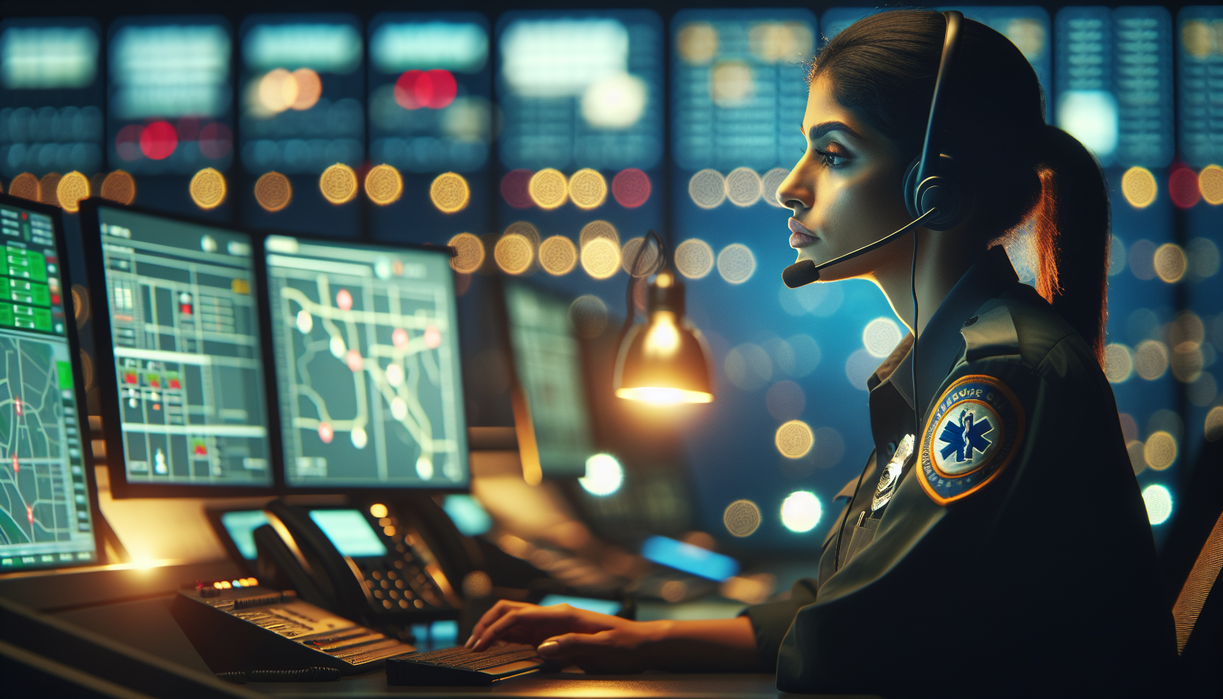
At the heart of emergency response is a communications hub staffed by dispatchers who juggle technology, human emotion, and logistical puzzles. Multiple screens show maps, caller locations, unit statuses, and real‑time updates. Phones ring, radio traffic flows, and alarms signal time‑critical incidents. Amid the noise, dispatchers must filter chaos into clarity. They listen closely, type rapidly, and anticipate what field crews will need long before a siren starts wailing through the streets.
Each caller brings a different story. One might whisper from a locked bathroom during a break‑in, another sobs over a child who will not breathe. Dispatchers do not have the luxury of shock. They must ask the right questions, confirm the address, assess risks, then match the incident with the proper response. Fire, police, medical, rescue teams—all depend on dispatchers to translate raw panic into structured, actionable information within seconds.
Technology supports this work but never replaces human judgment. Computer‑aided dispatch systems provide codes, call types, and response suggestions, yet dispatchers continually interpret nuance the software cannot perceive. A voice tone hints at hidden danger. Background noise suggests more victims than reported. A slight delay in answering might mean someone is being threatened. These subtle clues shape priority levels and resource allocation, reinforcing why dispatchers remain essential human bridges between crisis and help.
Inside the Mindset of a Dispatcher
To survive in this profession, dispatchers cultivate an unusual combination of traits: empathy without paralysis, focus without tunnel vision, and confidence without arrogance. They encounter the full emotional spectrum every shift. One moment they coach CPR through tears, minutes later they guide officers to a traffic hazard, then pivot to calm a confused elder unsure why they called. Emotional whiplash becomes normal, yet they must never sound impatient or detached.
The training reflects these demands. Dispatchers learn call‑taking protocols, radio procedures, geography, and agency policies. They practice scripted medical instructions and rehearse rare but catastrophic scenarios. Simulations recreate screaming callers, incomplete information, or multiple crises hitting at once. Even so, no training perfectly prepares someone for hearing real terror in a stranger’s voice. Experience, mentorship, and quiet resilience fill the gap between classroom and console.
Over time, dispatchers develop a mental map of their community. They know trouble spots, peak hours for collisions, seasonal patterns of calls, and neighborhoods where language barriers might appear. This local knowledge supports quicker, better decisions. My own perspective, from years of studying emergency systems, is that communities often underestimate this cognitive labor. We easily praise fast response times yet forget the dispatchers whose mental workload makes that speed possible.
Stress, Sacrifice, and the Cost of Staying Calm
Despite heroic work, dispatchers frequently operate under intense stress with limited public recognition. Shift work disrupts sleep, family events, and social life. Headsets deliver a steady stream of trauma, interrupted only by brief pauses between calls. Many dispatchers describe carrying voices home in their minds, replaying specific incidents long after the phone disconnects. Critical incidents—child fatalities, officer injuries, mass casualty events—can leave invisible scars. Agencies increasingly offer peer support teams, counseling, and wellness programs, yet stigma still lingers. From my viewpoint, true appreciation for dispatchers requires more than an annual thank‑you post; it demands investment in mental health resources, fair pay, modern equipment, and a culture where asking for help is seen as strength. When we care for dispatchers, we indirectly protect every person who will one day dial for help, hoping a calm, competent voice answers on the other end.


Related Posts