
 0
0
 0
0
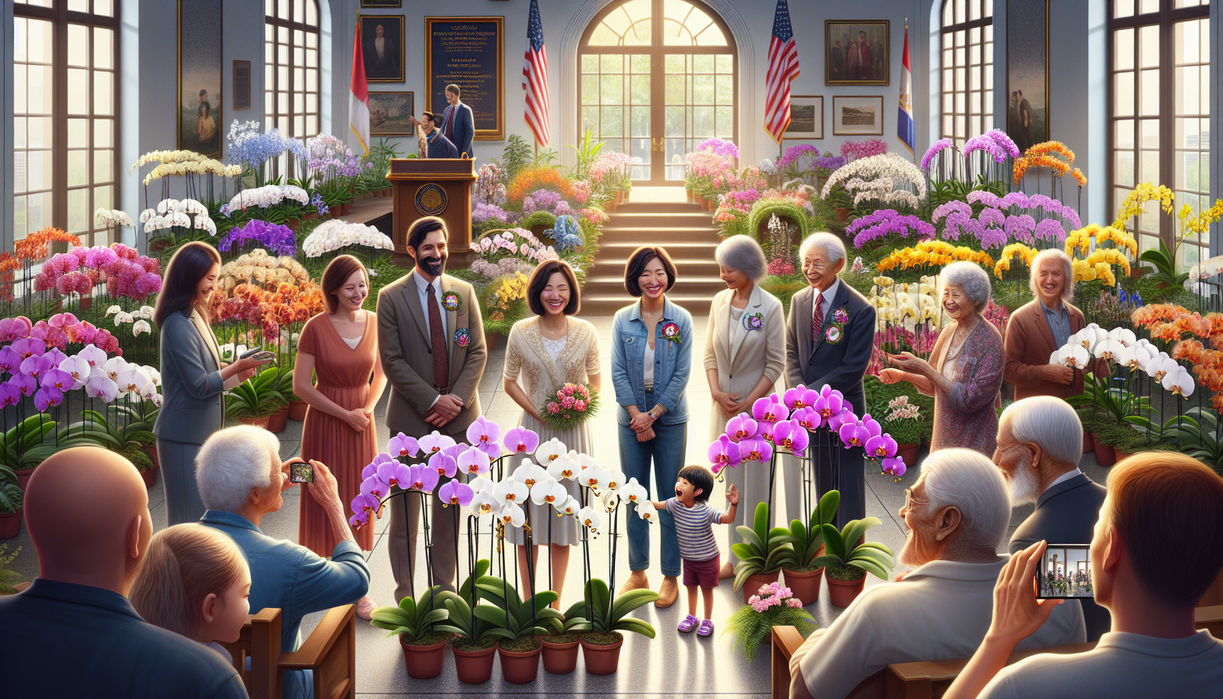
www.shackvideo.com – The first snip of a ribbon can say a lot about context. When the 105th Thomasville Rose Show & Festival opened with the Orchids on Parade exhibit inside the Municipal Building, it was more than a ceremonial photo moment. It framed the entire celebration in a new context: a historic rose festival that now welcomes exotic orchids to share the stage, inviting visitors to see tradition, place, and community spirit through a richer lens.
Context shapes how we read every petal, color choice, and display. Without context, the orchids are simply beautiful flowers under glass. With it, they become storytellers of a Southern town’s heritage, resilience, and evolving identity. This year’s festival uses Orchids on Parade as a living introduction, guiding guests to understand how history and innovation can blossom together.
Setting the Context: Orchids at the Heart of a Rose Show
At first glance, opening a rose show with an orchid exhibit might seem unexpected. Yet this choice offers essential context for what Thomasville wants the festival to represent in its 105th year. Roses remain the classic stars, but the Orchids on Parade display signals a broader celebration of horticulture, creativity, and community roots. It tells visitors that tradition can stretch, adapt, and still hold its core meaning.
Inside the Municipal Building, context greets guests before the flowers do. Historical photos, local stories, and exhibit signage help newcomers understand why a small Southern city invests so much care into blooms. Those cues turn the exhibit into an unfolding narrative. Instead of a random collection of orchids, each variety appears like a character in a continuing story, linked to the town’s legacy of gardens, parades, and neighborhood pride.
Context also exists in the timing. A 105th anniversary could easily lean only on nostalgia. Instead, the organizers used Orchids on Parade to show that heritage thrives when it welcomes fresh perspectives. Placing orchids at the opening of a rose festival reframes expectations. It suggests that the event is not a static museum piece but a living tradition, responsive to new tastes, new growers, and a changing climate for both plants and people.
Context in Color, Scent, and Story
Walk through the exhibit slowly and the context reveals itself through sensory details. Deep violet orchid petals contrast with the familiar blush of nearby roses, even if they belong to separate shows. Scents mix in the air, creating a floral dialogue. In this context, orchids do not compete with roses. They complement them, expanding the emotional palette of the festival. Visitors can sense that the city’s love of flowers is not limited to one iconic bloom.
Labels and descriptions beside each orchid provide context beyond Latin names. They often mention native habitats, care requirements, or stories from local growers. Those small notes bridge distant rainforests with a Georgia town square. Context turns each pot into a tiny geography lesson, a climate conversation, and a personal anecdote. Without that information, the flowers would remain simply decorative; with it, they become a meeting point of global and local narratives.
From my perspective, this layering of context is where the exhibit feels most powerful. It suggests that beauty alone is not enough to sustain a festival for more than a century. Meaning does that work. When visitors learn how orchids demand patience, how roses symbolize enduring affection, they start to see parallels with the city itself. Thomasville has weathered social changes, economic shifts, and new generations. The festival, framed by Orchids on Parade, becomes an annual reminder that resilience has roots.
Why Context Matters for Community Traditions
Context is not just an artistic choice; it is a survival strategy for community traditions. A festival without context risks becoming a background event, another weekend distraction. By opening the 105th Rose Show with Orchids on Parade, Thomasville’s organizers quietly explain why this gathering still matters today. They tie the town’s past to its present, invite outsiders into the story, and give residents fresh reasons to feel proud. As I reflect on this, I see a model other communities could follow: honor what came before, but always add new layers of context so each generation can find its own meaning among the blossoms.


Related Posts