
 0
0
 0
0
www.shackvideo.com – The daily police blotter often reads like a quiet town’s heartbeat, steady yet unpredictable. On April 29th, 2026, Fort Madison’s blotter recorded a pair of incidents that hint at restless hours between midnight and mid-morning. A burglary investigation at 12:29 AM in the 1200 block of Avenue G set the tone. By 9:00 AM, another report added fresh ink to the same blotter, suggesting a community navigating both late‑night tension and daytime concern.
At first glance, a simple blotter entry can appear dry and routine. Yet each line represents real people, real fears, and real questions about safety. When a burglary shows up on the blotter in the early hours, it marks more than property loss. It shines a light on how a community responds, how officers act under pressure, and how neighbors rethink ordinary habits after a long night.
Reading Between the Lines of a Simple Blotter
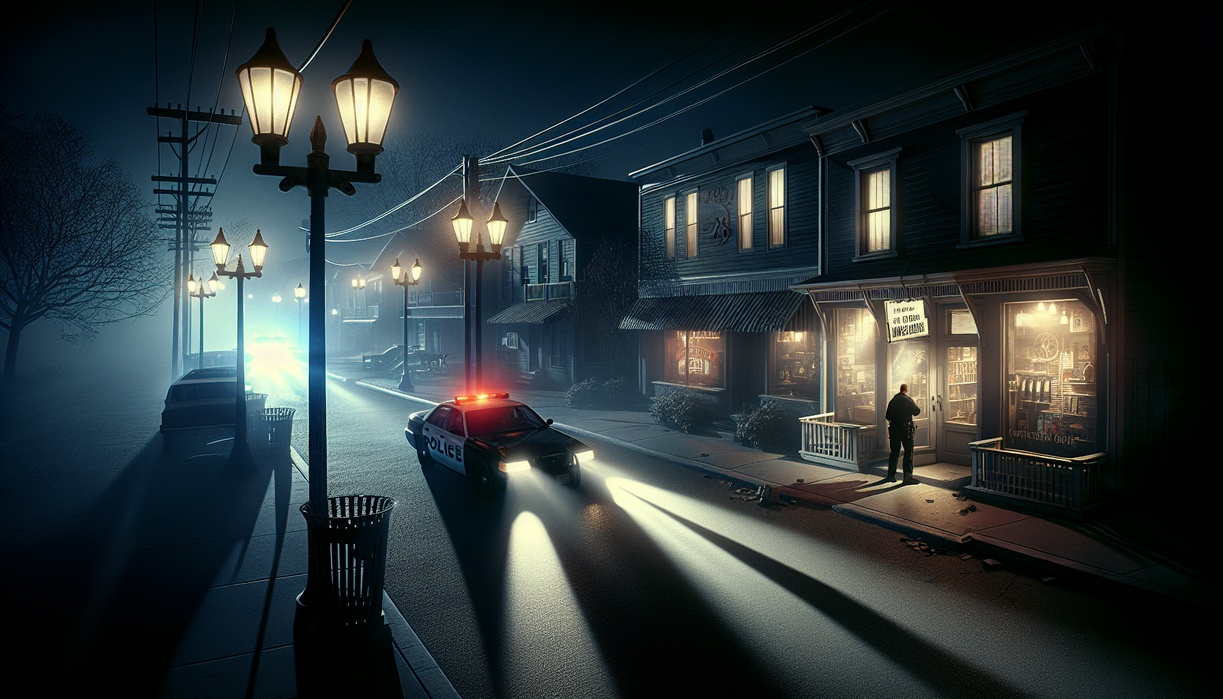
The Fort Madison blotter entry for 12:29 AM captures a moment already gone, yet still echoing. Officers investigated a burglary in the 1200 block of Avenue G, a straightforward note in official language. There are no adjectives, no drama, only a timestamp and a location. Still, anyone who has heard glass break in the dark or noticed a door ajar at night understands that this kind of blotter entry hides a heavy emotional undercurrent.
Blotter summaries strip stories down to essentials: time, place, type of incident. That brevity asks readers to imagine the rest. Who discovered the break‑in? Was a family asleep while someone forced entry? Did a business owner arrive before dawn to find damage? The blotter will not answer those questions, yet it invites speculation about the faces behind the facts. In that sense, a short line in the blotter can feel longer than an entire article.
The 9:00 AM incident recorded later that morning reinforces how a blotter compresses an entire city’s experiences into a slim column. Without further detail, it still expands the day’s narrative. The overnight burglary shows up first, then a fresh report as schedules restart, children head to school, and stores open. The blotter becomes a bridge between night anxiety and daylight routine, reminding readers that public safety work never resets with the sunrise.
Midnight Burglary: What the Blotter Suggests
A 12:29 AM burglary entry stands out on any blotter because of the hour as much as the offense. Late‑night crimes trigger a distinct kind of unease. Many people expect that once doors are locked and lights go out, the world outside will stay distant. When a burglary appears on the blotter at that time, it shakes the illusion of a sealed, secure neighborhood. It implies movement in the shadows while most residents trusted sleep to keep them safe.
From an analytical angle, such an entry hints at patterns. Repeat blotter mentions of the same block or time frame might suggest vulnerable areas, thin lighting, or predictable routines targeted by offenders. While a single blotter note cannot confirm trends, it encourages close attention. Residents may start double‑checking deadbolts, reconsidering where they store valuables, or looking into motion‑activated lights. The blotter becomes a subtle teacher, offering small lessons in risk without preaching.
On a personal level, reading this kind of blotter entry invites empathy for both the victim and responding officers. The homeowner or business owner faces a feeling of invasion that lingers long after reports are filed. Officers, summoned by a call at that hour, move from routine patrol to rapid assessment. They must preserve evidence, calm shaken residents, and stay alert for suspects still nearby. A short blotter line hides complex emotional labor, quick decisions, and the quiet professionalism required to make order from chaos.
From Blotter Ink to Community Insight
The presence of that 9:00 AM report keeps the Fort Madison blotter from feeling like a single isolated story. Instead, it illustrates how public safety threads through the entire day, not just dramatic midnight moments. Morning incidents might involve everything from follow‑up on the burglary to unrelated concerns. In my view, the real value of this blotter lies in what it signals to attentive readers: vigilance should not fade with the sunrise, and engagement should not wait for crisis. By treating each blotter entry as a prompt to reflect on habits, communication with neighbors, and cooperation with local law enforcement, a community can turn a sparse list of calls into meaningful action. In the end, the blotter records more than crime; it chronicles how people choose to respond, learn, and adjust after each line of ink dries.


Related Posts