 0
0
 0
0
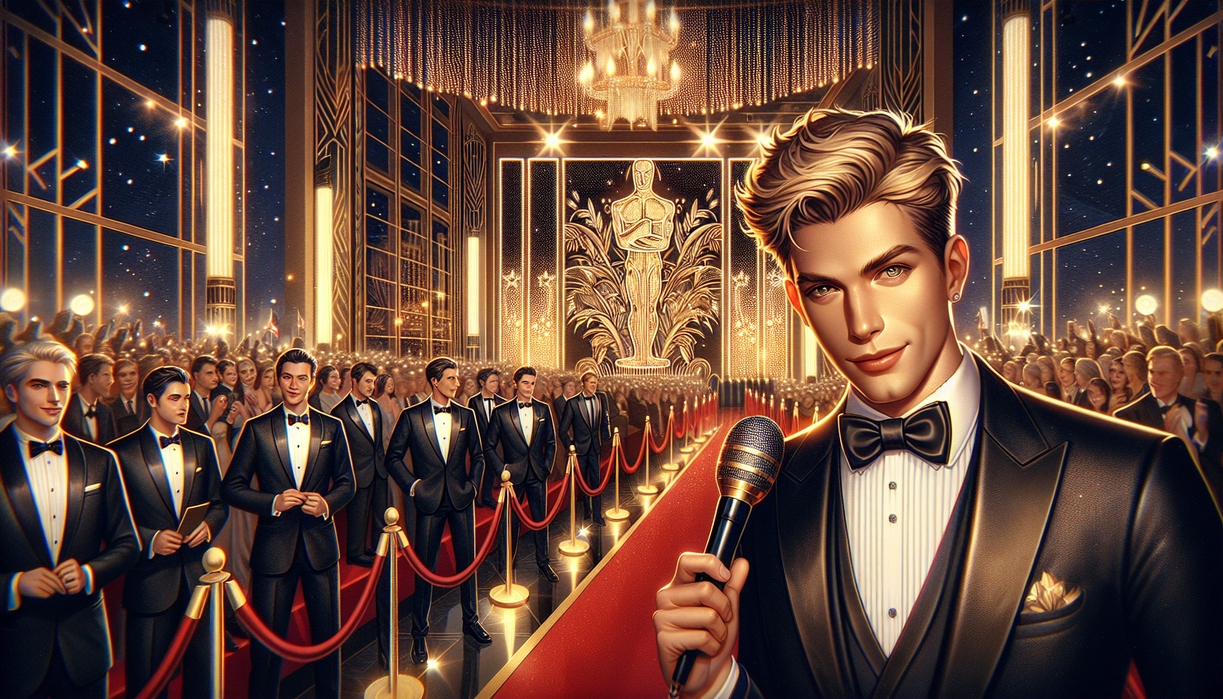
www.shackvideo.com – Every awards season sparks debate about content: who created it, who shaped it, and who finally receives the gold. The 98th Academy Awards turned that familiar conversation into a full‑scale spectacle, proving that pure content power still fuels Hollywood’s biggest night. Broadcast live on Hulu and ABC, the ceremony merged sharp humor, cinematic nostalgia, and pointed commentary into one ambitious package.
Conan O’Brien returned as host and leaned hard into film‑centric content. His opening bit flipped classic scenes into punchlines about streaming fatigue, AI tools, and franchise overload. By the time the first statue left the stage, it was clear this show would be less about red‑carpet gossip and more about how modern content lives, circulates, and survives in an industry under constant reinvention.
One Battle, Many Wins: Content at the Center
The night’s narrative gravity revolved around a single film, the war epic “One Battle,” which dominated ballots from the first major category onward. Awards chatter framed it as a technical feat, yet the ceremony revealed something deeper: its content had captured both cultural urgency and emotional intimacy. Voters rewarded not only scale but also how the story confronted memory, trauma, and responsibility without collapsing into empty spectacle.
Every time “One Battle” was called, the producers emphasized process over hype. They highlighted how carefully each piece of content had been engineered, from historically grounded scripts to immersive soundscapes. Instead of boasting about budgets, the team spoke about late‑night writing sessions, ethical debates in production meetings, and a conscious effort to keep human faces visible amid sprawling action sequences.
This focus on thoughtful content resonated beyond the film itself. Other winners referenced “One Battle” as proof that audiences still respond to narrative nuance, even in an era of short‑form clips and algorithm‑shaped viewing habits. The message threaded through acceptance speeches: impressive technology can amplify art, yet only content with conviction lingers once the closing credits roll.
Conan’s Monologue and the Era of Infinite Content
Conan O’Brien built his monologue around the avalanche of content now available at all hours. He joked that some viewers were watching the show while also streaming a true‑crime series, scrolling a superhero spin‑off recap, and half‑listening to a podcast about method acting. Beneath the humor sat an uncomfortable truth: attention has become Hollywood’s rarest currency.
His sharpest gag compared studio release schedules to a never‑ending multiverse of vaguely familiar titles. He quipped that even the Academy’s own members needed flowcharts to remember which prestige project belonged to which platform. That riff landed because it echoed audience fatigue, while quietly praising the evening’s nominees for cutting through so much competing content noise.
From my perspective, Conan’s approach captured the paradox of the current moment. We live in an age of boundless content yet feel starved for works that actually move us. His monologue worked because it mocked the chaos without disrespecting creators. It made room for a different question: how can the industry protect craft when every algorithm pushes toward faster, louder, and more disposable material?
Streaming, Theaters, and the Future of Film Content
One of the ceremony’s recurring themes involved the uneasy truce between streaming platforms and traditional theaters. Presenters framed this as less of a turf war and more of a content strategy puzzle. Theaters still lend gravitas, turning ambitious cinema into communal events, while streaming offers reach and long‑tail discovery. If the Oscars reflected anything this year, it was an emerging consensus that survival depends on balancing both spaces. Films like “One Battle” prove that audiences will show up in person when content feels significant enough, yet their eventual life on streaming sustains conversation months later. My take: the most successful creators will design stories with dual habitats in mind—crafted to shake a big screen, yet rich enough to reward repeat, at‑home viewing, where subtle details and layered performances can fully breathe.


Related Posts