
 0
0
 0
0
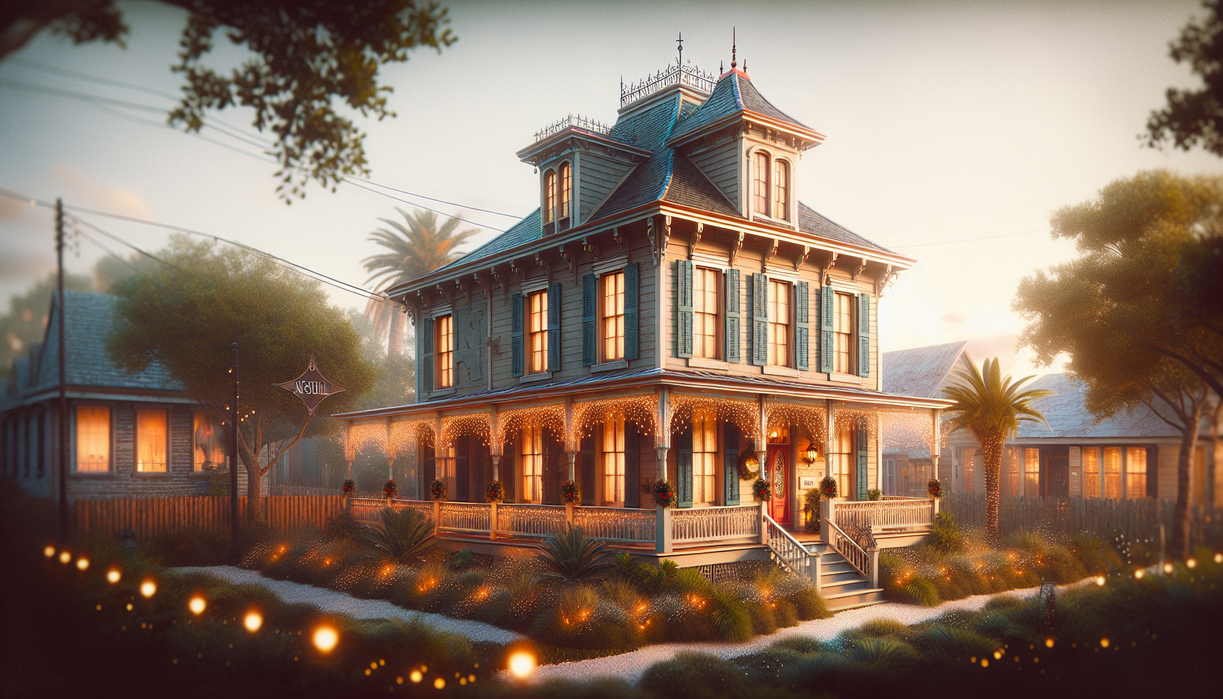
www.shackvideo.com – Recent news from Port Neches has turned a quiet corner of Cajun heritage into a lively topic of conversation. La Maison Beausoleill, translated as the House of Beautiful Sunshine, is once again in the spotlight as community members rally around its restoration. This surge of interest is more than a preservation project; it reflects a deep desire to reconnect with the cultural stories that shaped Southeast Texas and Southwest Louisiana.
As this news spreads, La Maison Beausoleill becomes a symbol of how history can illuminate the present. The humble wooden structure carries memories of Cajun families who once fought to maintain their language, music, and food traditions. By examining this restoration effort through both historical context and modern community priorities, we see how one small house can radiate influence far beyond its front porch.
News, Memory, and a Cajun House Reborn
The latest news surrounding La Maison Beausoleill reveals more than a simple construction project. This Cajun house serves as a tangible reminder of migration, resilience, and adaptation along the Gulf Coast. Built with hand-hewn cypress and traditional joinery, it shows how early settlers crafted homes from local materials while preserving knowledge passed down through generations. Each board and beam holds echoes of French speech, fiddle tunes, and kitchen aromas that once filled this dwelling.
Community leaders, preservationists, and descendants of Cajun families increasingly recognize the importance of this structure. Their voices in recent news coverage highlight a shared conviction: physical spaces help keep cultural memory alive. When a historic house decays, the loss is not only architectural; it also erodes community identity. Restoring La Maison Beausoleill can help reverse that erosion by giving new life to old stories, rituals, and seasonal celebrations.
As interest grows, fundraising campaigns, volunteer efforts, and public meetings gain momentum. Local residents share news on social media, while regional outlets spotlight the project as a case study in grassroots preservation. The house becomes a stage for conversations about identity, inclusion, and regional pride. In my view, this process matters as much as the final restoration. It invites people to ask what heritage means today, who gets represented, and how historical narratives can stay honest while still inspiring hope.
Why This News Matters Beyond Port Neches
News about La Maison Beausoleill may seem localized, yet the implications reach far beyond Port Neches. Across the United States, older buildings face demolition as land values rise and maintenance costs climb. Many communities struggle to justify the expense of restoration when immediate economic gains appear elsewhere. This Cajun house offers a counterexample, showing how cultural capital can hold as much value as commercial development. It reminds us that not every vacant lot must become a parking area or generic storefront.
In broader context, Cajun culture itself has long been shaped by cycles of marginalization and revival. News accounts from previous decades documented efforts to suppress the French language in schools and civic spaces. Today, however, the narrative increasingly celebrates Cajun music, cuisine, and festivals as key regional assets. La Maison Beausoleill fits neatly into this revival arc. Restoring it sends a clear message: heritage once dismissed as backward or disposable now receives recognition as a source of creativity and community strength.
From my perspective, that shift carries real power. When a community chooses restoration, it also chooses to confront its own history honestly. A Cajun house is not just charming architecture. It points toward stories of displacement, environmental change in the bayous, labor struggles, and evolving racial dynamics along the Gulf Coast. Responsible news coverage can help connect these threads so the house becomes more than a photo backdrop. It can serve as a small but potent classroom for everyone who walks through its doorway.
Personal Reflections on Heritage and Future News
Watching this news unfold, I am struck by how one modest structure can anchor a much larger conversation about time, memory, and responsibility. La Maison Beausoleill stands at the intersection of past choices and future possibilities. If the community succeeds in restoring it, the victory will not be measured solely in fresh paint or stabilized foundations. It will be measured in school field trips, family visits, storytelling events, and quiet moments when someone runs a hand along an old cypress beam and feels connected to people who never made the news at all. That, to me, is the real promise of this project: turning a fragile remnant of history into an active, living space where stories continue to grow.


Related Posts