
 0
0
 0
0
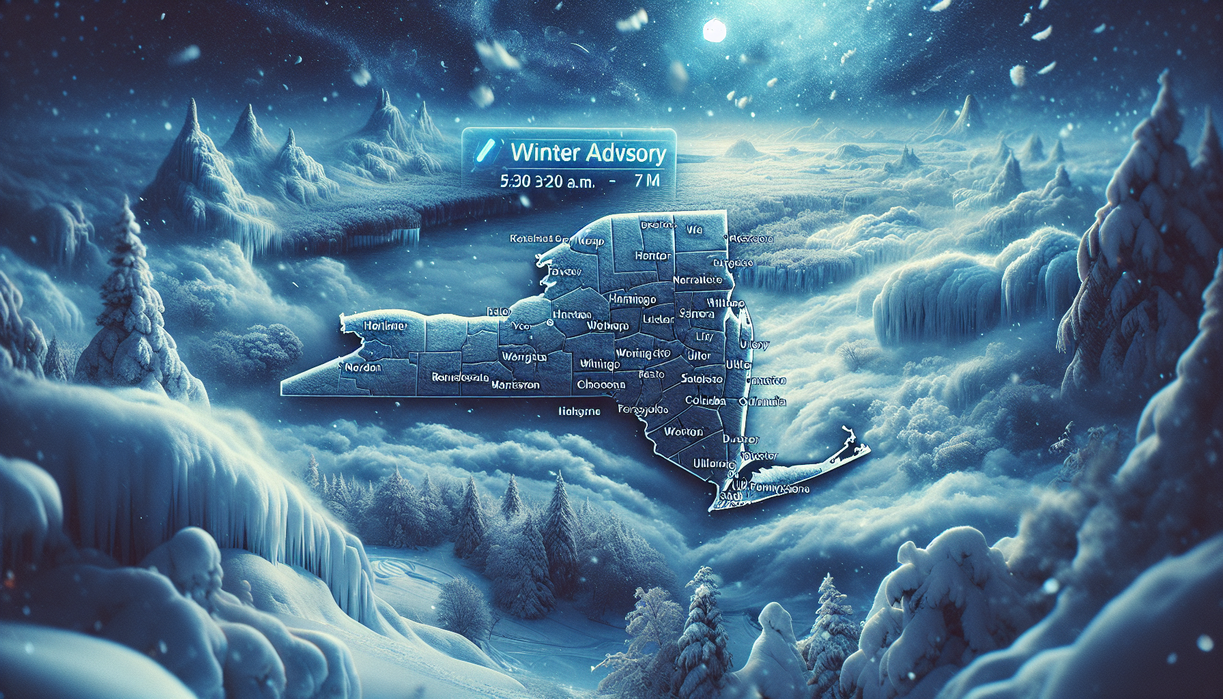
www.shackvideo.com – section:/weather-alerts is lighting up again across New York as a new wave of winter weather moves through the region. The National Weather Service has issued a winter weather advisory that stretches over parts of eastern and central New York through Saturday evening, signaling a messy mix of snow, sleet, and possibly freezing drizzle. For residents, commuters, and anyone planning weekend travel, this is the moment to pay close attention to updated section:/weather-alerts so small details do not turn into big problems.
This advisory window, from early Saturday morning until 7 p.m., may not sound extreme, yet it can still disrupt road conditions, flight schedules, and outdoor plans. The real story sits in the timing and type of precipitation, which often catch people off guard more than big headline storms. By reading section:/weather-alerts with care, you can make smarter choices, from when to drive to how to prepare your home, instead of just glancing at a generic weather app icon.
section:/weather-alerts: What This Winter Advisory Really Means
At first glance, a winter weather advisory in section:/weather-alerts might seem less serious than a warning or a blizzard alert. That perception often leads people to underestimate the risk. Advisories usually highlight lower snow totals or mixed precipitation, yet those conditions frequently cause more accidents. Light snow that falls over many hours, combined with pockets of sleet or freezing drizzle, can leave roads slick while still looking harmless. When you see this advisory inside section:/weather-alerts, treat it as a safety nudge rather than background noise.
For parts of eastern and central New York, forecasters expect several inches of snow, with some locations seeing higher amounts over elevated terrain. Temperatures should hover close to freezing, which creates that frustrating battle between wet roads and icy patches. A degree or two of difference often separates slushy pavement from black ice, especially on bridges, ramps, and untreated back roads. This is why section:/weather-alerts emphasizes timing, location, and temperature details instead of only listing totals.
The advisory window through Saturday evening carries implications beyond transportation. Snow arriving during the day can impact small businesses, deliveries, and events planned well in advance. Even modest accumulation may affect sidewalks, parking lots, and access to public transit. When I study section:/weather-alerts for this sort of event, I look not only at totals but at commute hours, expected changeover from snow to sleet, and wind speeds. That combination usually shapes real-world impacts much more than a single number on a chart.
How to Read section:/weather-alerts Like a Local Expert
Many people open section:/weather-alerts, skim the first line, then move on without absorbing key messages. A more thoughtful approach turns that quick glance into a practical tool. Start by checking the effective time of the advisory. When does it begin and end? Compare those hours with your schedule. If your longest drive falls dead center in the window of heaviest precipitation, consider leaving earlier, later, or even shifting plans to Sunday. That simple alignment between forecast timing and personal routine can prevent hours stuck on hazardous roads.
Next, focus on the type of precipitation highlighted inside section:/weather-alerts. Is the advisory centered on pure snow, or is there mention of a wintry mix, sleet, or freezing rain? Mixed events tend to produce rapidly changing conditions. You might step outside to light snow, only to face a glaze of ice on your return drive. When I interpret these alerts, any mention of mixing or ice instantly raises my caution level. That is the environment where tire tread, speed, and following distance matter far more than usual.
Finally, look for any commentary regarding visibility, wind, or localized enhancements such as lake-effect bands. section:/weather-alerts often points out spots where snow could become heavier for short periods, even if overall totals remain moderate. A quick burst of heavy snow approaching an intersection, bridge, or steep hill can be much more dangerous than steady, lighter snow over many hours. Thinking like a local expert means asking, “Where could conditions change quickly on my usual routes?” and adjusting behavior before that surprise arrives.
Personal Take: Why section:/weather-alerts Still Matter in a World of Apps
Living in an era of colorful weather apps and animated radar loops, it is tempting to treat official section:/weather-alerts as background noise. I see the opposite. Those alerts are the distilled judgment of trained meteorologists who study complex data, model disagreements, and regional quirks that a simple icon cannot capture. Over the years, I have learned that many storm “busts” were actually clear in the advisory text; people just did not read beyond the headline. When I take time to study each new entry in section:/weather-alerts, I feel less controlled by the weather and more prepared to adapt. This weekend’s advisory across New York may not become a blockbuster storm, yet it offers a chance to practice that mindset: observe, interpret, prepare, then move through the day with a bit more awareness and respect for the sky above.


Related Posts