
 0
0
 0
0
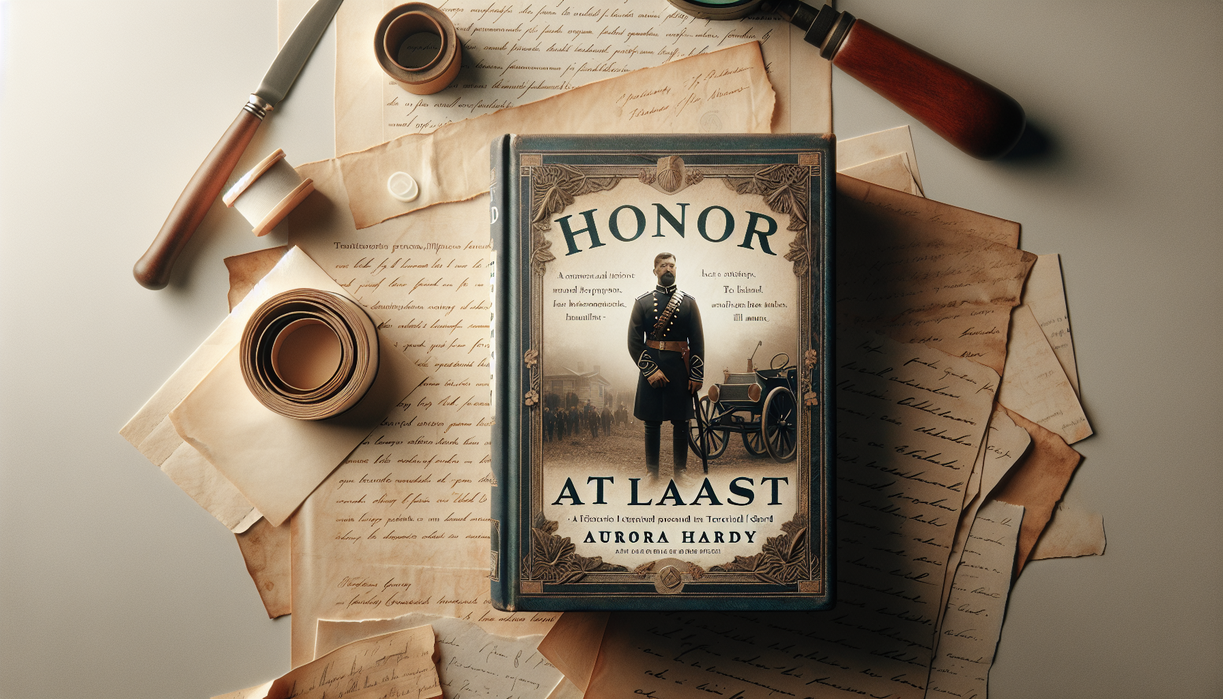
www.shackvideo.com – Honor at Last is more than a novel; it is a creative bridge between family memory and public history. Aurora Hardy begins with a relative she scarcely knew, then rebuilds his existence through imagination, research, and emotional inquiry. The result is a fictional biography that asks how a person might live with integrity when war, duty, and personal cost collide.
By threading Territorial Guard history through this intimate story, Honor at Last turns archival fragments into living experience. Hardy uses the barest facts about her ancestor as scaffolding, then explores what courage, loyalty, and regret might have felt like from inside his skin. The book becomes both tribute and investigation, inviting readers to reconsider what honor really means.
Reimagining a Life in Honor at Last
Honor at Last begins with absence: a man remembered through a handful of photos, a few stories, and his service record in the Territorial Guard. Hardy treats that absence as creative space rather than obstacle. She fills gaps with plausible scenes, period detail, and inner conflict, while still respecting the few verified points of his biography. This balance between fact and fiction gives the narrative a subtle tension.
Instead of presenting a flawless paragon, Honor at Last portrays a protagonist who doubts himself, makes hard choices, and occasionally fails. His honor grows from self-questioning, not blind obedience. The Territorial Guard backdrop intensifies this internal struggle. Orders arrive from far away; consequences land close to home. The character often weighs loyalty to command against responsibility to neighbors.
For readers, this makes Honor at Last feel both sweeping and personal. The war-era setting brings in patrols, drills, and rumors of invasion, yet the heart of the book stays within kitchens, fields, and family tables. Hardy’s choice to keep the action grounded in everyday spaces helps clarify what is truly at stake when an ordinary person becomes part of a military story.
Territorial Guard History as Living Texture
One of the strongest aspects of Honor at Last is how Territorial Guard history becomes texture, not mere backdrop. Hardy clearly researched uniforms, ranks, local routines, and community attitudes toward part-time soldiers. Yet she avoids dry exposition. Instead, she lets history emerge through conversations, small rituals, and the changing ways neighbors treat the protagonist as his duties grow heavier.
Guard service here is not glorified. Honor at Last shows long stretches of boredom, moments of quiet dread, and the constant friction between civilian responsibilities and military expectations. Harvests still need to be gathered; children still grow; aging parents still require care. Every Guard muster, each night patrol, carries an extra cost that rarely appears in official records. Hardy’s attention to these trade-offs deepens the emotional stakes.
From my perspective, this approach is one of the novel’s most important contributions. Many war stories focus on front-line combat, while support units and local defense forces receive a few lines at most. Honor at Last flips that hierarchy. Territorial Guard life becomes the main lens, which challenges readers to reassess how history assigns prestige and which forms of service it tends to overlook.
A Personal Reading of Honor at Last
Reading Honor at Last, I kept returning to a central question: Can we ever truly know our ancestors, or only the stories we build around them? Hardy seems to accept that certainty is impossible, yet she writes as if imaginative empathy still matters. Her fictionalized relative becomes a stand-in for countless quiet heroes whose files gather dust. By merging intimate storytelling with Territorial Guard history, Honor at Last reminds us that honor rarely shouts. More often, it whispers through small, steady choices: showing up, standing watch, keeping promises, even when no one is recording the moment. The novel leaves a reflective aftertaste, urging us to treat our own family legends with curiosity, humility, and care.


Related Posts