
 0
0
 0
0
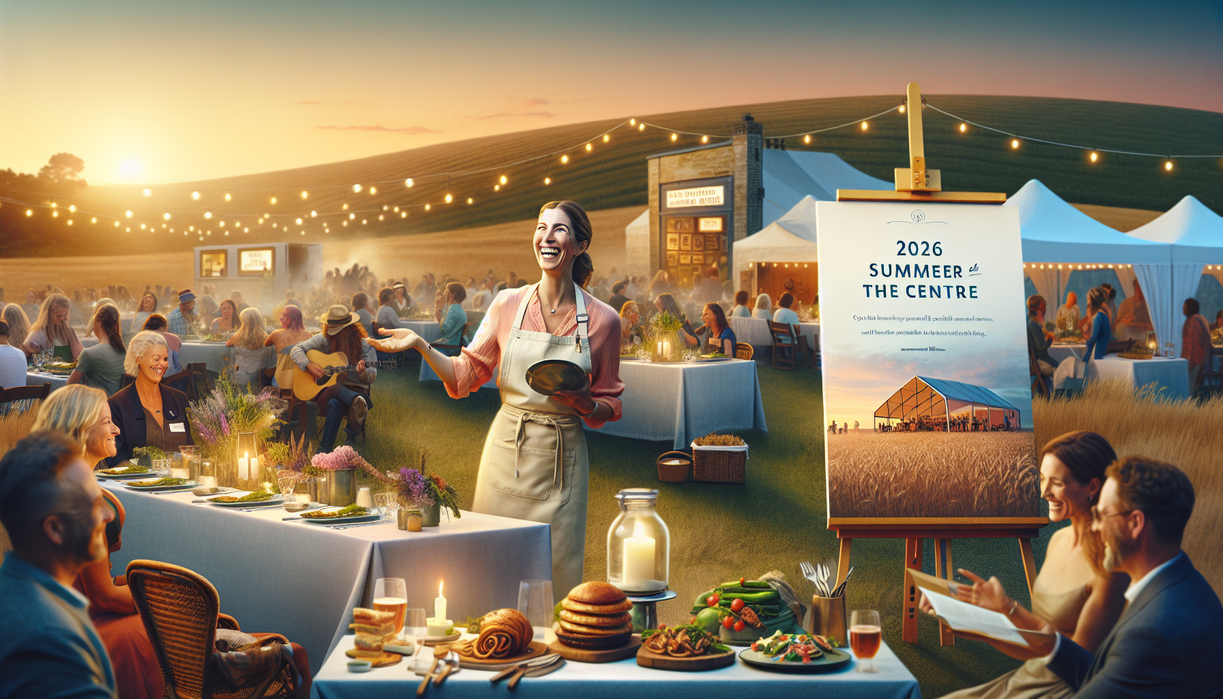
www.shackvideo.com – Context shapes every shared meal, song, and story. When a community gathers to celebrate food, music, and art in one place, the context turns simple events into meaningful experiences. This year, the announcement that Sheri Castle will appear at Dinner in the Meadow arrives within a broader cultural context in Wake Forest: a fresh 2026 Summer at the Centre lineup, the Six Sundays in Spring concert series, and a new America 250 art exhibit. Together, these happenings create a rich backdrop that invites residents to see their hometown through renewed eyes.
Exploring this context reveals more than a list of calendar dates. It shows how a town knits together culinary heritage, creative expression, and public spaces to build connection. Sheri Castle’s presence at Dinner in the Meadow becomes a key thread in that fabric. Her storytelling around Southern food, paired with local artists and performers, helps transform seasonal programming into a narrative about place, memory, and identity. To appreciate this fully, we need to look at how every event contributes to the shared story Wake Forest is telling.
Putting Sheri Castle in Context
Sheri Castle does more than write recipes; she provides context for why certain dishes matter. Her work often highlights the stories behind ingredients, the families that pass recipes down, and the landscapes that feed the table. At Dinner in the Meadow, that perspective meets an outdoor setting that already feels like a living illustration of her themes. Rolling countryside, seasonal produce, and regional flavors set the stage for a conversation about where our food originates and why that origin matters.
In this setting, context becomes the secret ingredient. A tomato tastes different when you know the farmer, the soil, and the growing season. A simple dessert feels more special when you hear how a grandparent taught the recipe on a humid summer evening. Castle’s appearance gives organizers a chance to highlight those stories in real time, right where the food is being grown and served. It turns dinner into a narrative performance, with every course offering a new chapter.
This also reframes what “downtime” can mean for locals. Instead of merely escaping routine, attendees step into an environment where leisure serves as context for learning and reflection. Sitting at a long table under the open sky, hearing a writer connect taste to history, people experience a kind of active rest. They slow down, not to tune out, but to tune in to the place they call home and the larger food culture it belongs to. That shift enriches both the meal and the memory.
Summer at the Centre: Context for a Season
Wake Forest’s 2026 Summer at the Centre program adds another layer of context around Dinner in the Meadow. Rather than existing as a stand-alone event, the meal now sits inside a season-long narrative of performances, workshops, and community gatherings. The Centre becomes a hub where residents can move from a concert on one weekend to a literary talk the next, eventually arriving at a field-side table for dinner. Each stop along the way offers a different lens on local culture.
This seasonal structure matters because context influences how we remember experiences. When you see a theater performance, attend a reading, then share an outdoor meal within the same cultural program, your mind naturally connects them. A character’s struggle from the stage can echo in a song performed at a later concert or in a story shared over dessert. The town feels less like a collection of unrelated venues, more like a cohesive creative ecosystem, with Summer at the Centre acting as the narrative frame.
From a personal perspective, this approach also respects how people actually live. Few residents divide their lives into neat categories of food, art, and music. Instead, these pieces mingle inside the context of daily routines. When a town’s summer calendar acknowledges that reality, it becomes easier for individuals to see themselves as active participants. They can weave their own schedules through these public offerings and create a personalized story that overlaps with the town’s larger cultural arc.
Six Sundays, One Evolving Context
Six Sundays in Spring demonstrates how context can stretch across time. A single concert is a moment; six Sundays form a rhythm. As families return week after week, the park transforms into a familiar stage where friendships deepen, children grow more confident, and local performers gain loyal followings. Repetition shapes context. A newcomer who attends only one show might notice the music, but those who return regularly start to notice one another. They recognize the couple who always dances near the stage, the grandparents who bring folding chairs, the teenagers sketching in the grass. Over these recurring Sundays, the park becomes a shared living room, setting an emotional context that makes later events—like Dinner in the Meadow or Summer at the Centre performances—feel less like separate outings and more like natural extensions of a continuing relationship between residents and their town.
America 250: History, Art, and Local Context
The America 250 art exhibit adds yet another dimension to this evolving context. As the nation approaches the 250th anniversary of its founding, communities across the country are asking what that history means today. In Wake Forest, the question plays out through visual art, inviting residents to see national narratives filtered through local eyes. Paintings, sculptures, and mixed media pieces can connect large historical themes to specific streets, farms, and families nearby.
That local focus matters because context shapes how history feels. A textbook might place events on a distant timeline, but an art piece created by a neighbor can reveal how those same events echo in contemporary lives. Perhaps an artist explores the region’s agricultural heritage, offering visual parallels to the stories Sheri Castle tells about food. Maybe another piece confronts difficult chapters in the nation’s past, challenging viewers to reconsider whose stories have been centered. These works encourage reflection not just on the past, but on how the present community chooses to remember it.
From my vantage point, the interplay between America 250 and the other events is especially powerful. Imagine attending the exhibit in the afternoon, then heading to a concert or shared meal later that day. The art’s questions linger as context. Lyrics about belonging might feel weightier after you have spent time with paintings about struggle and resilience. A simple conversation at dinner could shift into a deeper discussion about what kind of future the town hopes to build. Culture stops feeling like entertainment and starts functioning as a tool for civic reflection.
Personal Reflections on Context and Community
What ties all these experiences together—Sheri Castle’s visit, Dinner in the Meadow, Summer at the Centre, Six Sundays in Spring, and the America 250 exhibit—is a shared commitment to context. None of these events exists in isolation. Each one draws meaning from its surroundings: the physical landscapes of fields and parks, the human stories of farmers and artists, the historical currents running beneath everyday life. Personally, I find this approach far more compelling than a calendar packed with disconnected activities. When a town treats programming as a continuous conversation, residents gain chances to see themselves not just as spectators, but as characters inside a collective story. The reflective conclusion here is simple yet valuable: context turns ordinary downtime into a creative resource. It invites us to slow our pace, look around, and recognize that every meal, concert, and exhibit can help define who we are together, if we choose to engage with it thoughtfully.


Related Posts